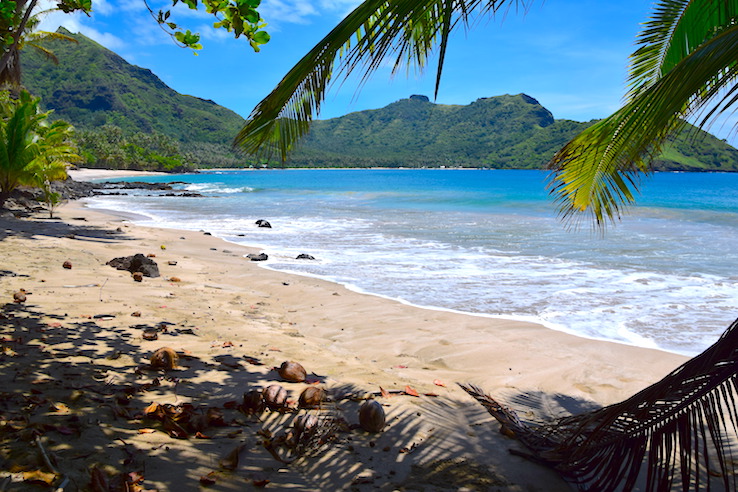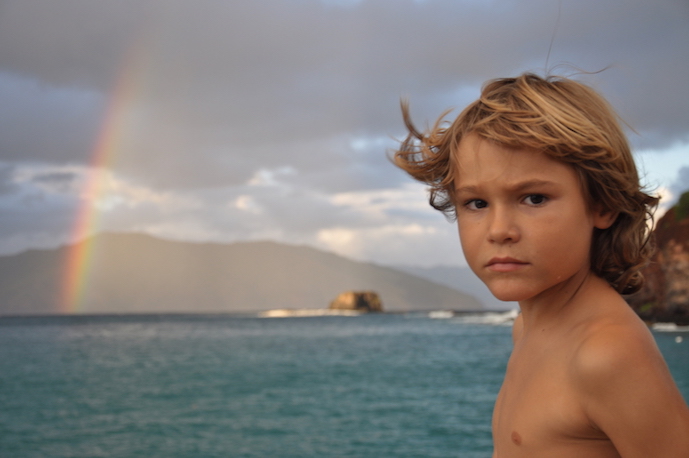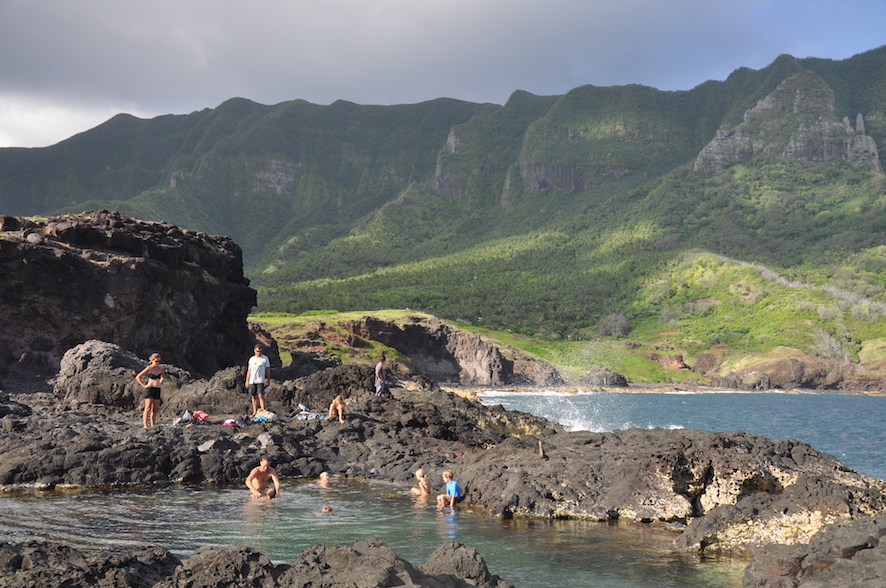
The Marquesas are exquisite
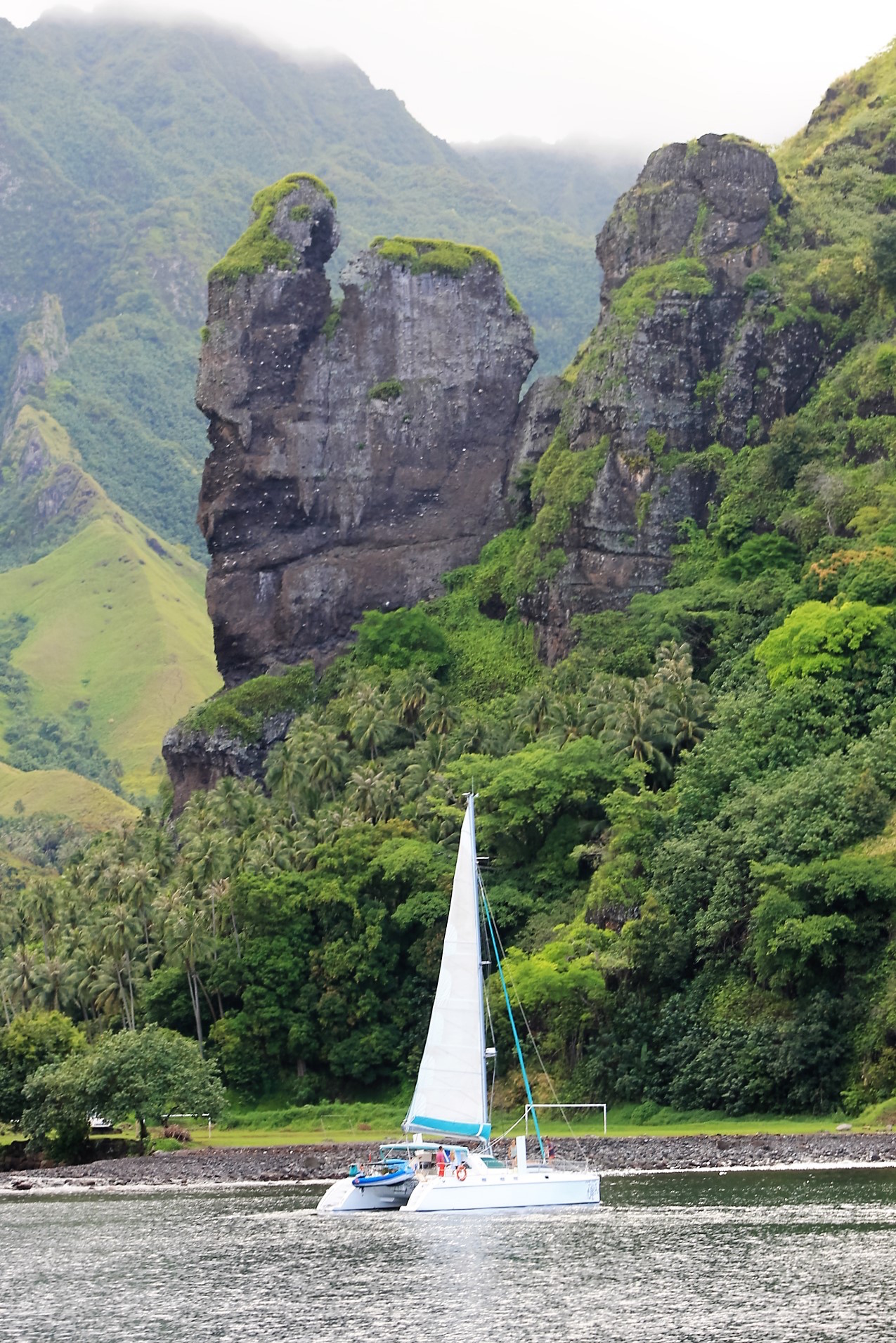
The first people who settled in the Pacific Islands came from Insulinde and China. So from the west.
The Pacific Ocean that we cross today with the help of the trade winds, they also crossed it on very large pirogues, but against the winds, against the currents and against the swell. They reached islands located more than 13,000 kilometers from their homeland, without a map, without any other reference point than a path of stars, without any other compass than the sun, without any other possibility of calculating longitudes than the estimation of lunar distances.
No people has established itself so far from its roots, traveling by sea, going east against the wind, hoping to find new territories there. The first ones set off more than 30,000 years ago. At the arrival of the first Europeans, their territory extended in a triangle whose summits are Hawaii, Easter Island and New Zealand. All the archipelagos between these three points were conquered by these Austronesians, the Maohis, and this, on an ocean that occupies 40% of the total surface of the planet. Be careful, do not confuse the Maohis and the Maoris of New Zealand. The former are the ancestors of the latter. Their name is composed of « Ma » which means « pure, clean, dignified » and « Ohi », or « offspring who make roots ». Thus, the Maohi is a free man who has been able to re-establish himself by keeping his roots (Jean-Jo Scemla-Le voyage en Polynésie)
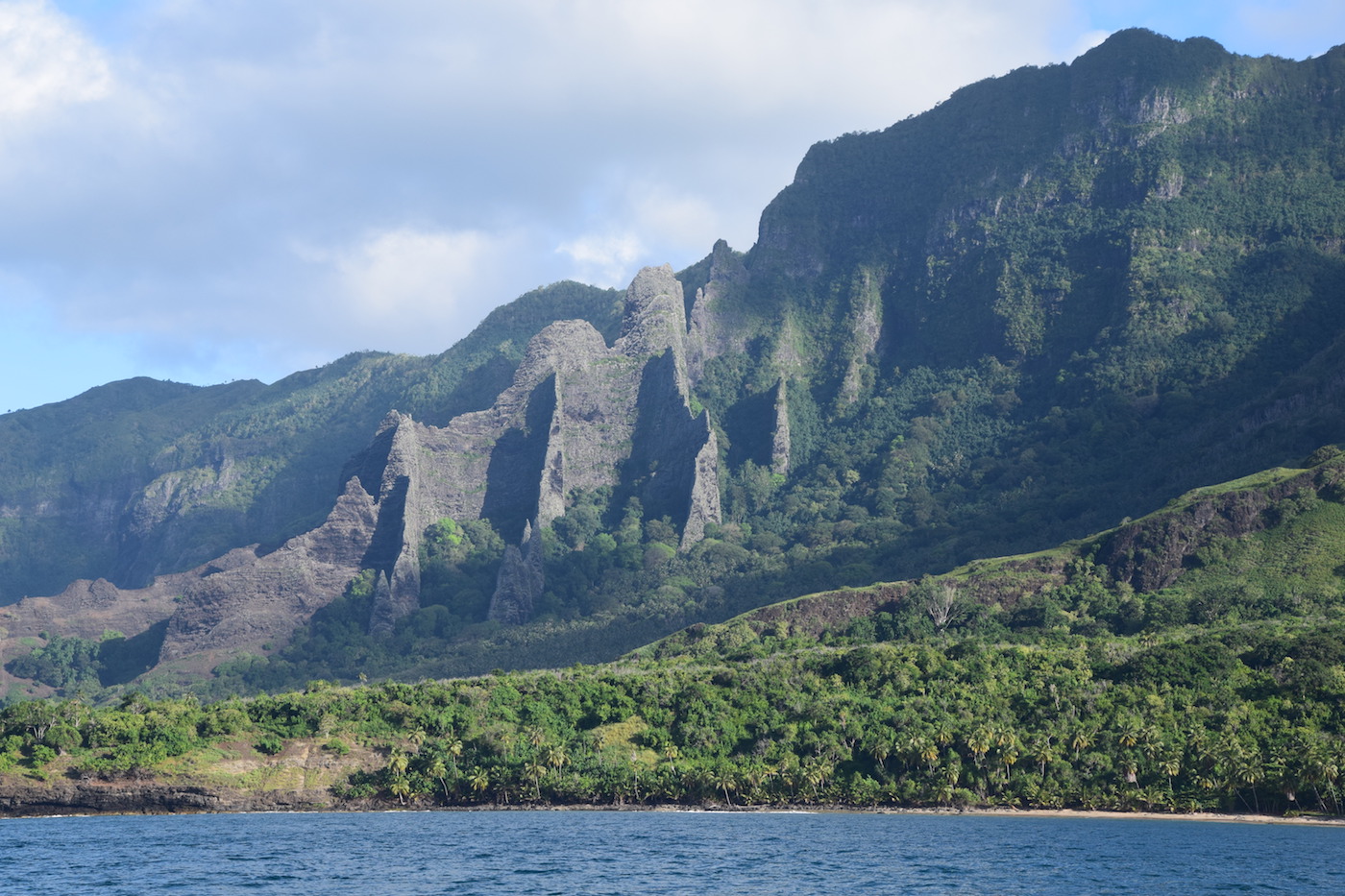
40 years after french singer Jacques Brel arrived in the Marquesas and after 21 days at sea, it’s our turn to enter Tahauku Bay (the bay of traitors) in Hiva Oa, in the Marquesas.
These mythical islands offer themselves to us, majestic, grandiose, standing proudly in front of the Pacific Ocean. After three weeks of sailing, our hearts still a little bit at sea, slightly intoxicated by the ocean, perfectly happy, we have the humble sensation of deserving to step on this Marquesan land that we have dreamed of so much during this crossing.
The scents of the land come to welcome us, and finish intoxicating our senses: humus, mangoes, tiare, vetiver, ylang-ylang.
As we approach the island of HivaOa, other images take hold of our minds. Thoses of Samuel Wallis, Bougainvillier, James Cook, Fletcher Christian’s tales.
How to describe the Marquesas for those who have never set foot on the « Land of Men: Fenua Enata »?
What seduced us in these islands is first of all the warm welcome and generosity of the Marquesans. Their thoughtful, respectful and reassuring smiles. They often offered us food for several days without even knowing us, or invited us to share our lives, our respective stories around a game of bowls or fishing excursion. Welcoming the traveler here is a duty and a pleasure, everywhere we went, it was first a smile, then « Kaoha… Mavemai »: hello, welcome.

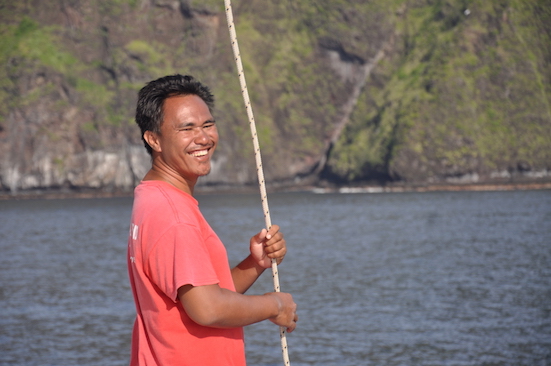
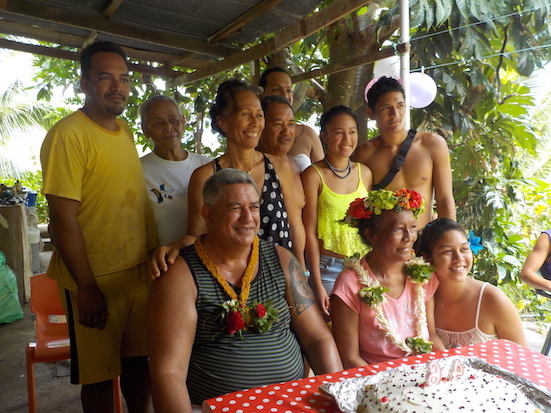
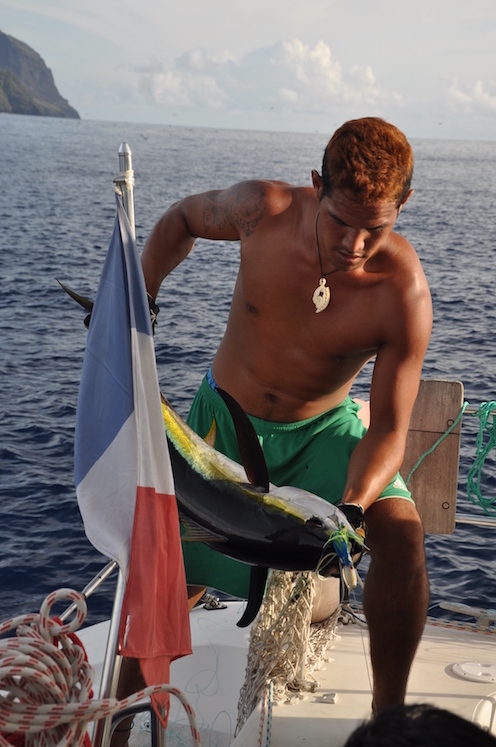
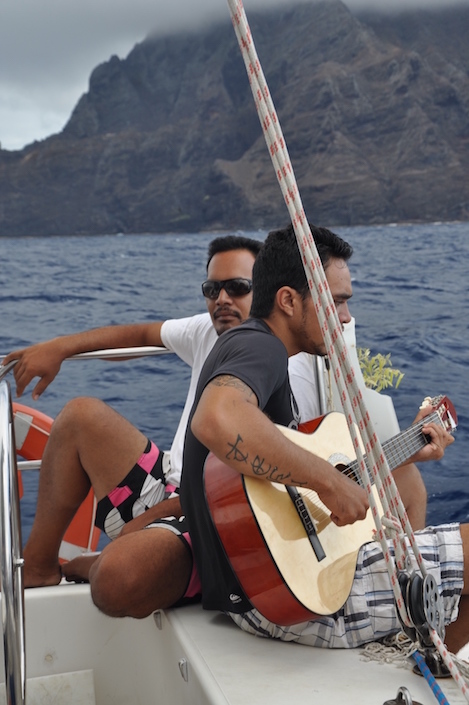

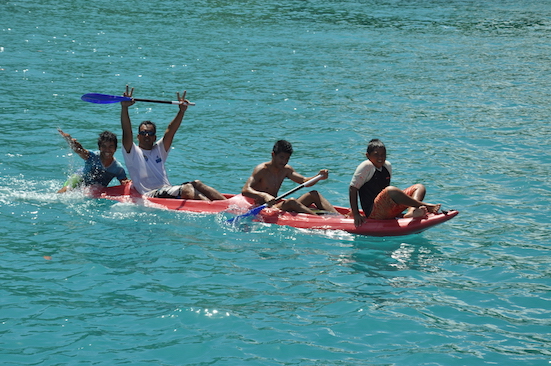
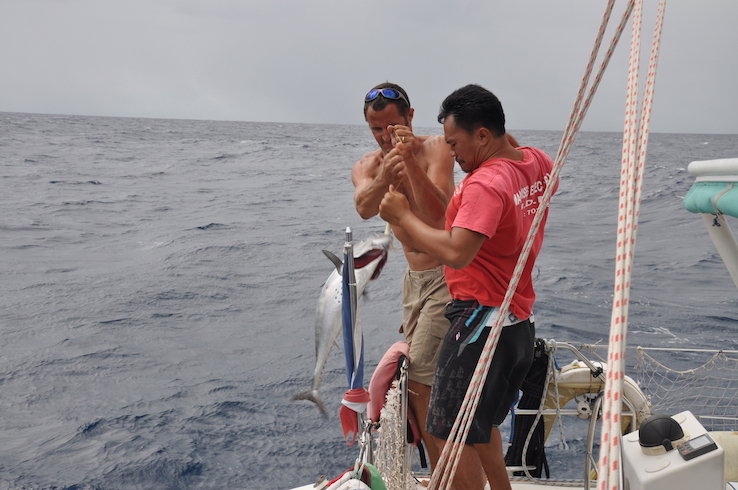

The joy of living! Everyone has his or her place at the Marquesas and will be respected. For example, Kalino (adopted Tahitian but more Marquesan than the Marquesans) is a bone carver known to sailors, but he is also a musician and singer who would not miss a party!
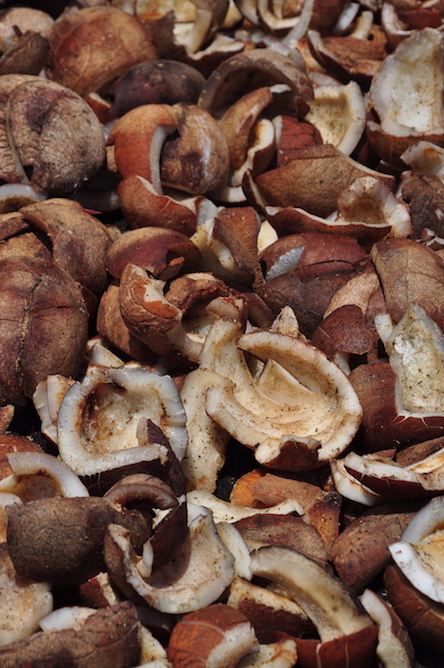
Everyone has more than one string to his bow and if there is no work, there is always « copra ». This (very physical) activity consists of maintaining the coconut grove and collecting the coconuts, opening them and drying it’s flesh. The harvest is then transported by cargo ship to Tahiti to make the famous Monoi with its thousand flowery scents.
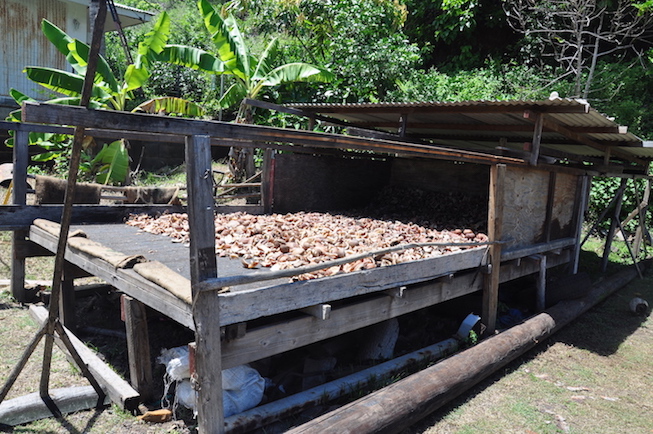
Marquesans are very attached to their land, the « Fenua Enata » (or Henua Enana: the land of men) inherited from their ancestors and kept by the family. This land is the territory of hunting (pig or goat) and cultivation: banana, breadfruit, mango, avocado, soursop, papaya, guava, grapefruit (as delicious as it is abundant), yams, fafa, coconuts etc…
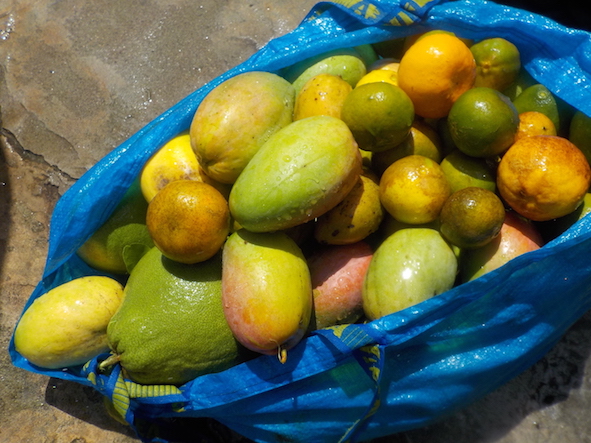
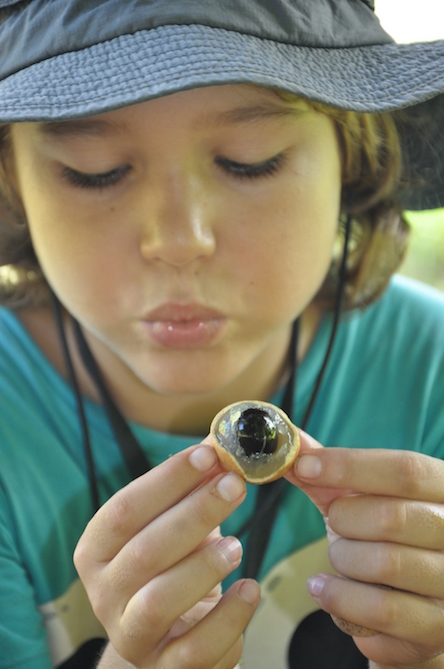

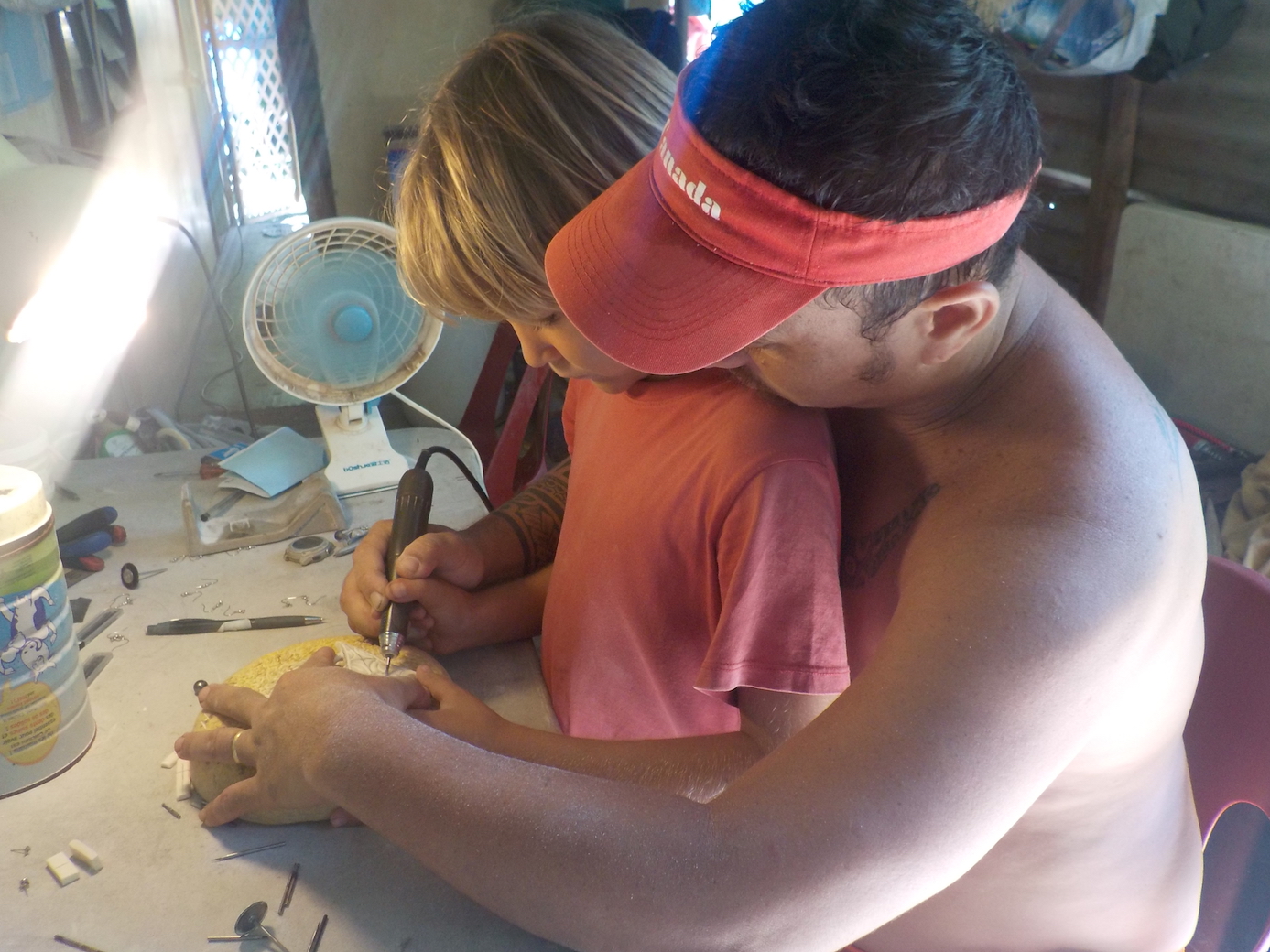
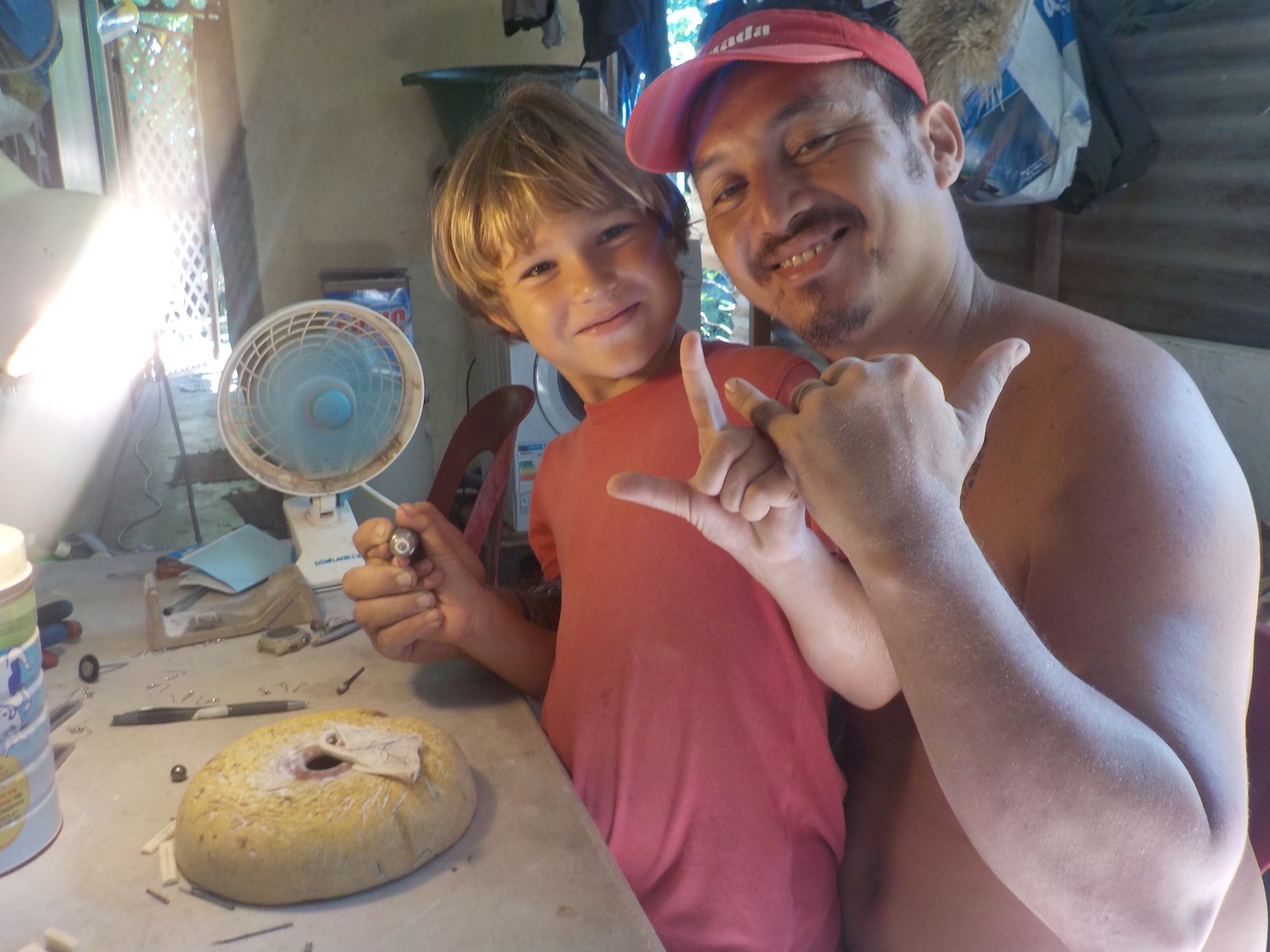

It inspires the sculptors, engravers, tattoo artists, dancers and musicians who perpetuate the Marquesan culture.
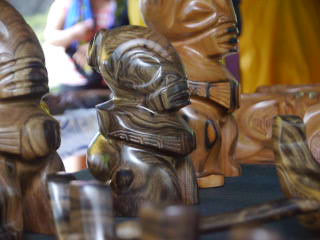


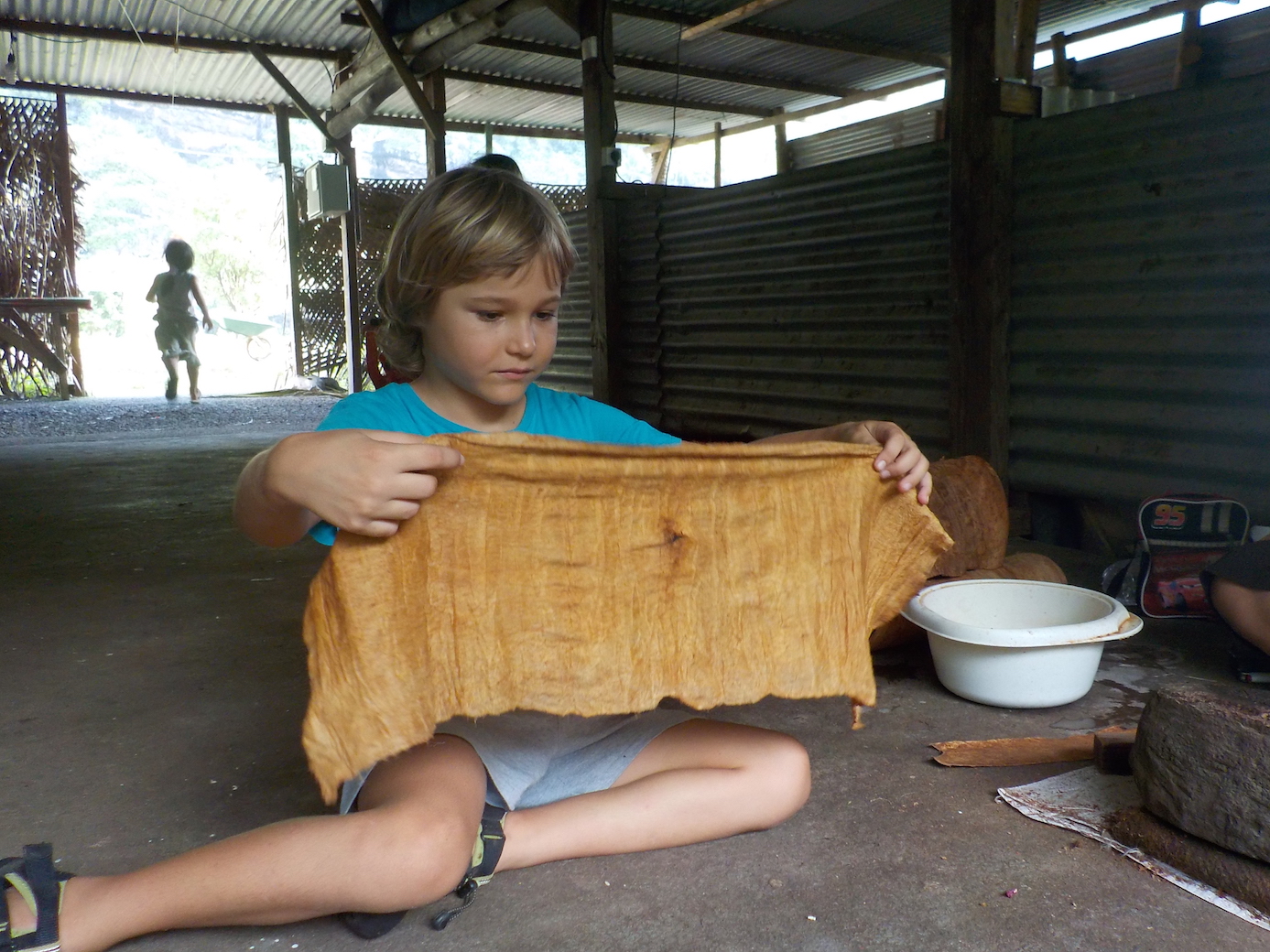
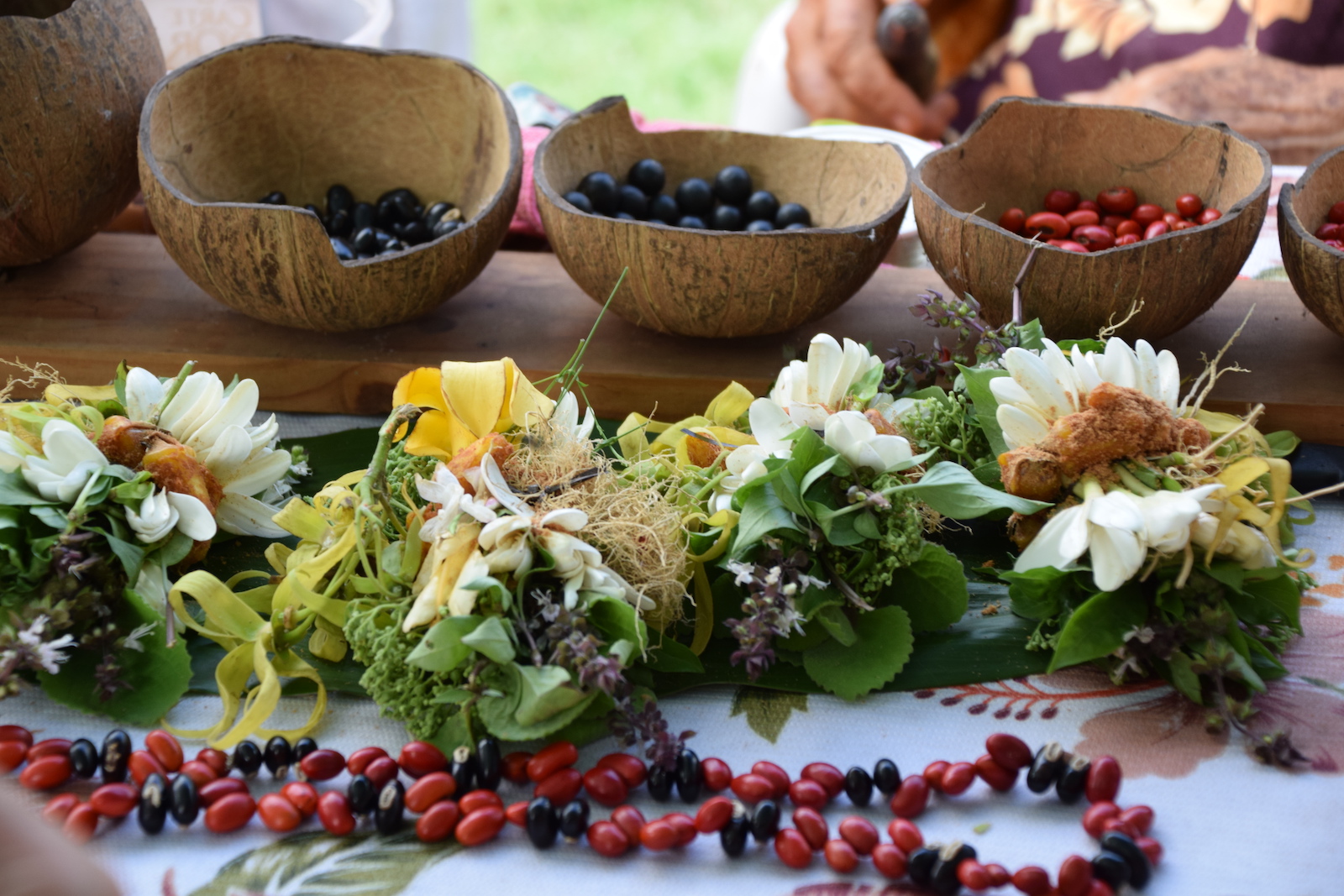
This Maohi culture, this Marquesan identity, was first buried and almost forgotten after the passage of the Europeans and missionaries who for several generations imposed Christianity, their customs and habits. In recent decades, a strong return of culture, thanks to the memories of the elders, Marquesan academicians and the Marquesas Islands Festival: Matavaa, alltogether they have allowed the Marquesans to regain pride in their cultural and archaeological heritage.
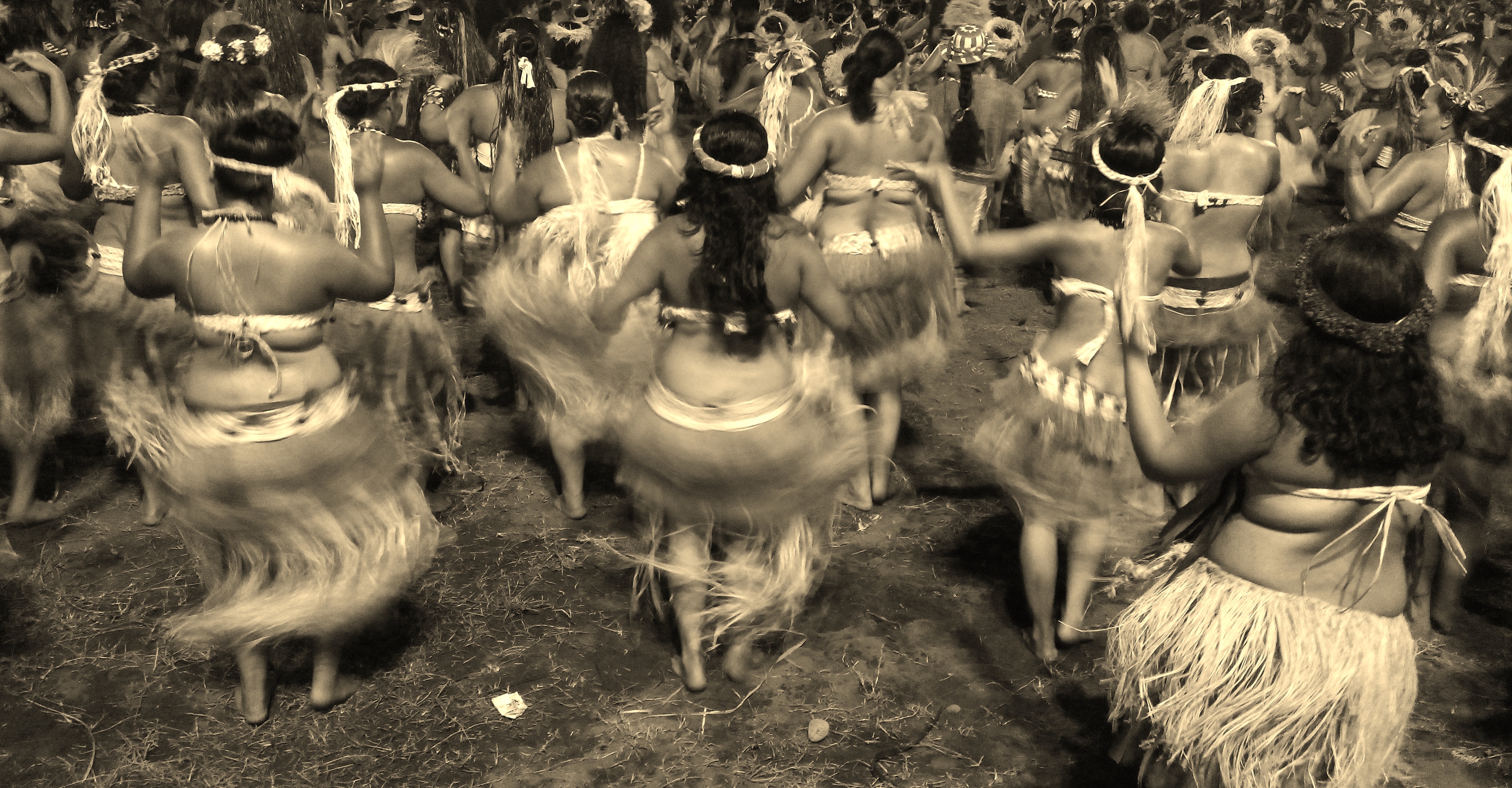
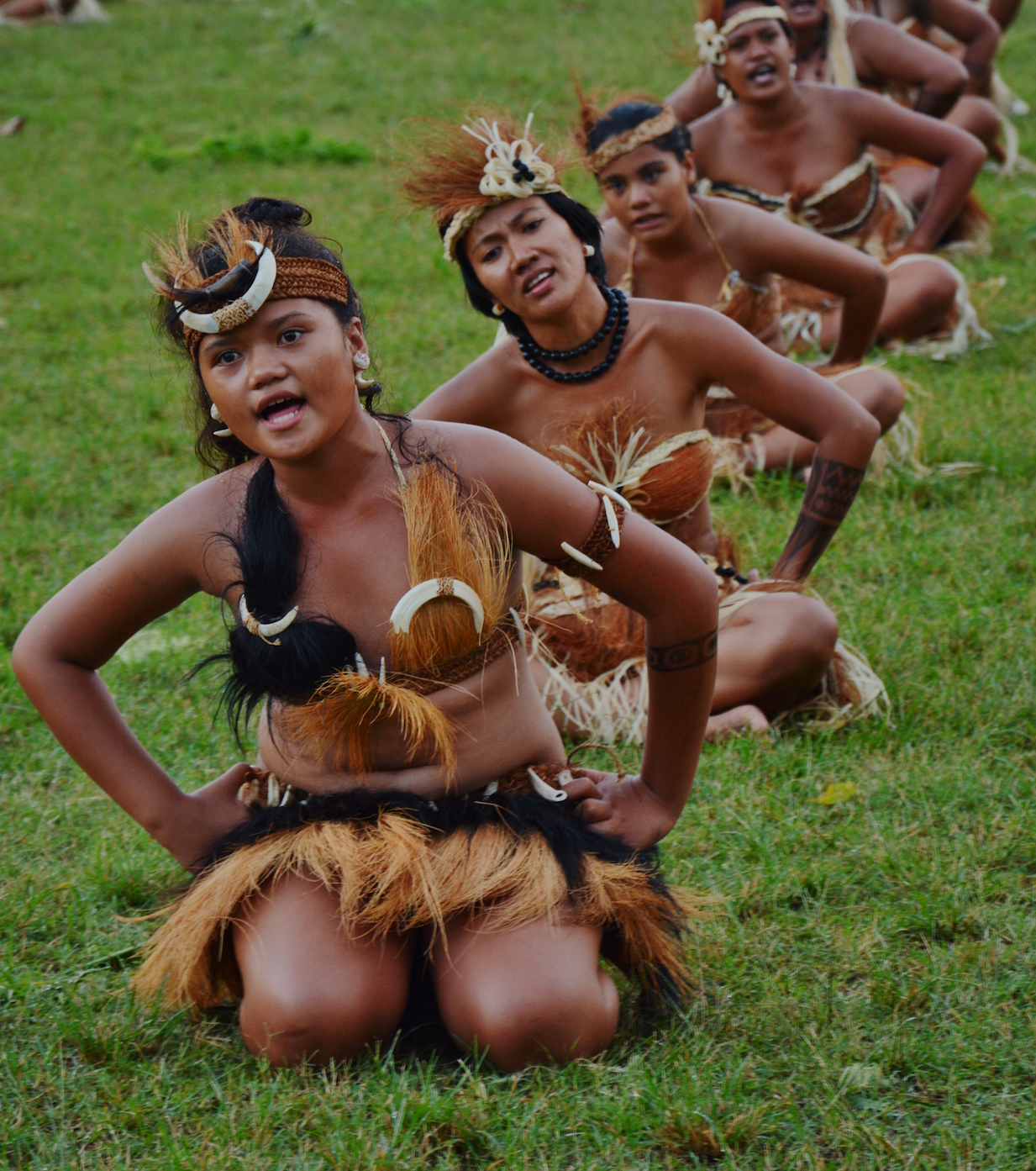
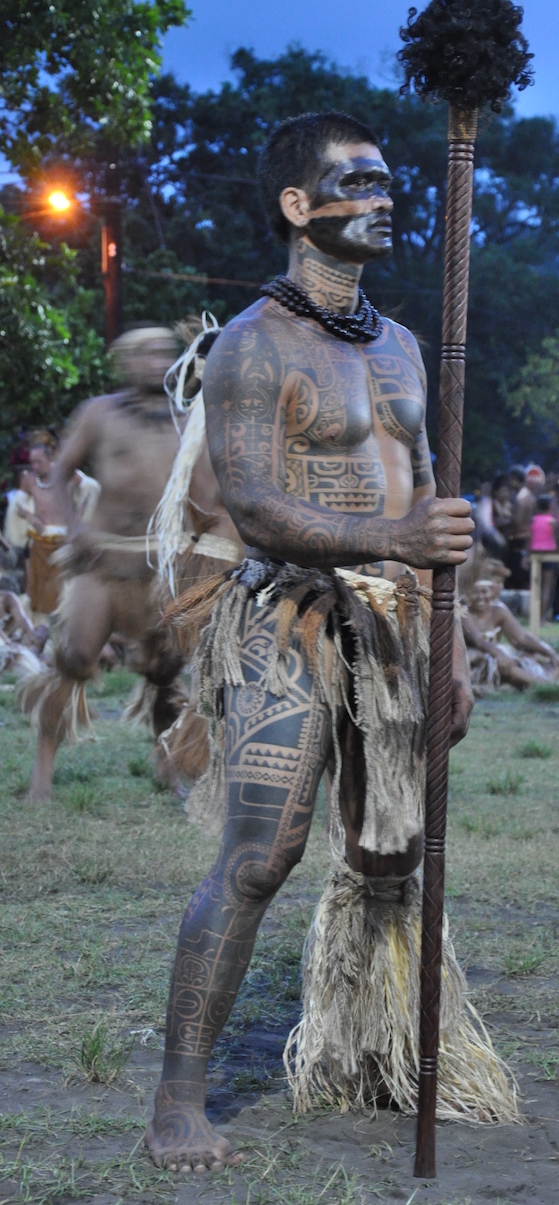

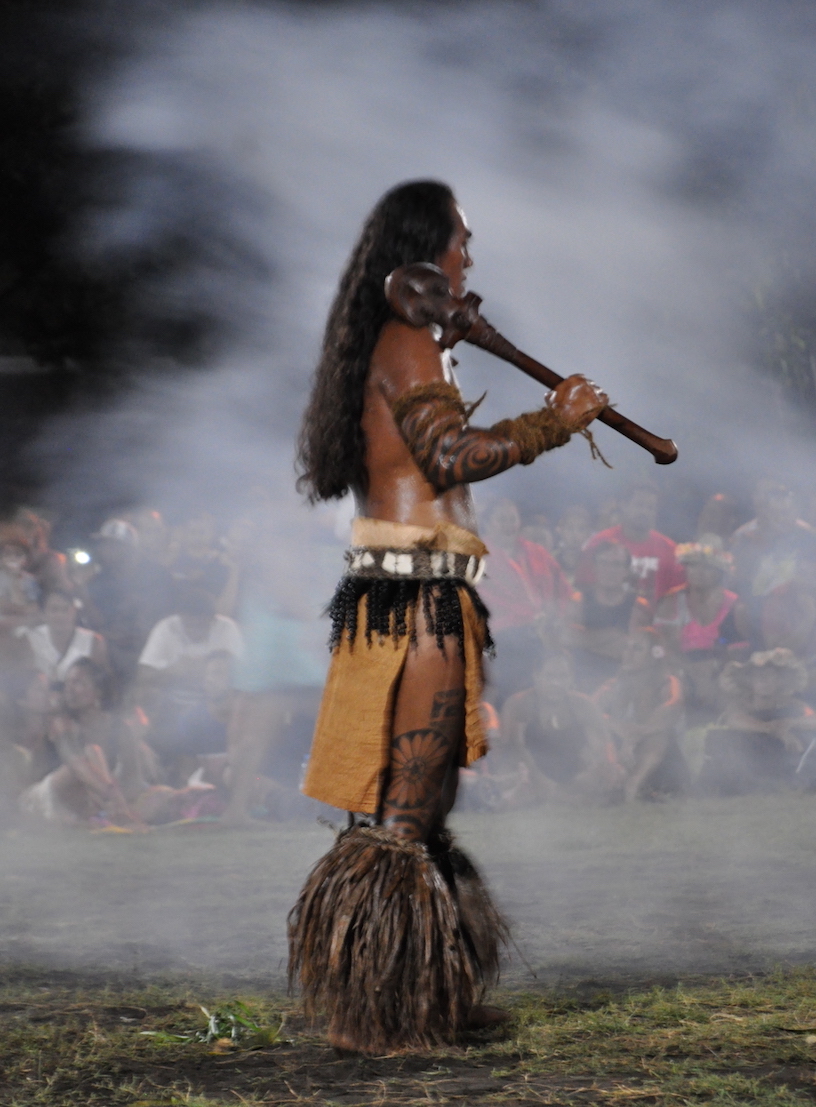
We were lucky enough to arrive shortly before the Matavaa in HivaOa, and to witness these cultural encounters between the different archipelagos. Dances, ceremonies, crafts and local cuisine were on the program for several weeks as we were able to attend rehearsals on some of the islands. This year again we were able to enjoy the superb Matavaa on the island of UaPou! Unforgettable.
The archipelago includes 2 groups of islands in the South and in the North, separated by a day of sailing sometimes too lively, sometimes too calm. The diversity of anchorages allows you to choose according to the winds and the omnipresent swell.
Each island has its own character and pride, so even if the anchorage conditions are not always perfect or comfortable, we decided to go back again and again and stay always longer !